
Ego vs Leadership Why Everybody Wants to Be Boss But Cant Lead

Everybody wants the chair at the head of the table until someone tells them the chair comes with correction, responsibility, and the nerve to admit when they got it wrong.
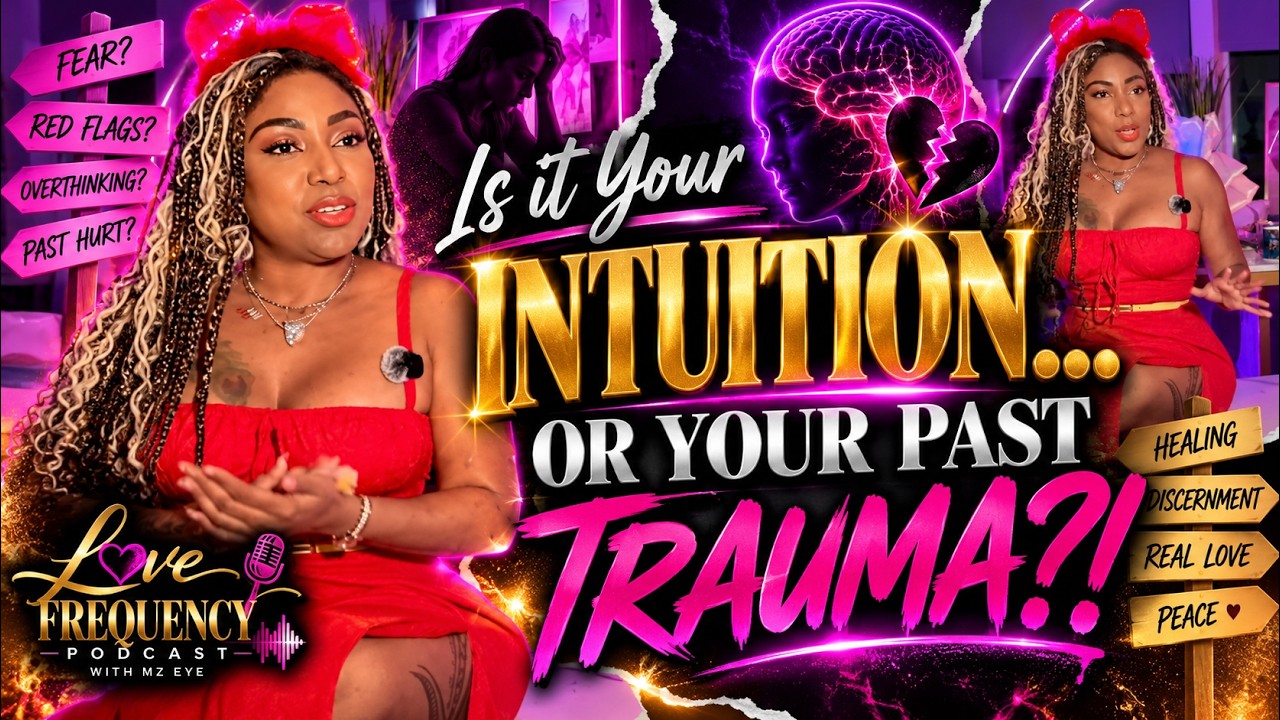
That is the sharp truth Mzeye brings in the latest episode of the Love Frequency Podcast, titled Everybody Wanna Be a BOSS… But Can't Nobody Tell Y'all Shit! | Ego, Leadership & Accountability. In just under 13 minutes, she takes a familiar idea, being “the boss,” and strips it down to the part people often skip: leadership is not just about being in charge. It is about being able to listen, learn, adjust, and stay accountable when the applause stops.
The episode opens with a line that sets the tone right away.
Everybody wants to be the CEO until somebody tells them they do not know what they are doing.
Mzeye is not attacking ambition. In fact, she makes it clear that wanting more for yourself is a good thing. Start the business. Chase the promotion. Write the book. Launch the podcast. Build the life. The problem starts when people become more attached to the title than the responsibility that comes with it.

The episode calls out the difference between ambition and ego
Mzeye begins with a balanced point: ambition itself is not the enemy.
She says she loves seeing people want better for themselves. That matters because the episode is not about shaming people for having goals. It is about checking the spirit behind those goals.
There is a big difference between saying, “I want to lead because I have a vision,” and saying, “I want to be in charge so nobody can question me.”
One comes from purpose. The other comes from ego.
The episode points out how easy it is to fall in love with the image of leadership. People want the title, the pictures, the fancy office, the applause, and the freedom to make the decisions. Those things can look attractive from the outside. They make leadership seem glamorous.
But leadership is not proven when everyone agrees. It is proven when something goes wrong.
Mzeye asks a set of questions that cuts straight to the issue:
What happens when a decision does not work?
What happens when someone on the team knows more than the person in charge?
What happens when a customer says the service was not good?
Does the leader listen?
Or does the leader immediately decide everyone is just hating?
That is the heart of the episode. The real test of leadership is not how someone acts when they are praised. It is how they respond when they are corrected.
Wanting the title is not the same as being ready to lead
The episode’s main tension lives in one truth: some people do not actually want to lead. They want control.
That distinction matters.
A title can give a person authority, but it does not automatically give them wisdom. A person can own the business and still make poor decisions. They can manage a team and still refuse to hear anyone else. They can be the founder, creator, parent, supervisor, or public face of something and still lack the emotional maturity to be corrected.
Leadership requires more than confidence. It requires the humility to say:
“I missed that.”
“You know more about this than I do.”
“That feedback is uncomfortable, but I need to hear it.”
“I made the call, so I am responsible for the outcome.”
“Let me fix what I can instead of defending what I did.”
The episode challenges the idea that being a boss means always being right. That belief is one of the quickest ways to lose trust.
People can usually tell when someone is leading from ego. The signs show up in small ways. They interrupt. They dismiss concerns. They take credit when things go well and disappear when things fall apart. They surround themselves with people who only agree. They treat questions like disrespect.
A real leader does not need every room to clap. A real leader can survive being challenged.
Mzeye frames listening as a leadership skill
One of the strongest takeaways from the episode is that listening is not passive. It is active leadership.
Listening does not mean agreeing with every opinion. It does not mean letting people run over a vision. It does not mean abandoning standards just because someone complained.
Listening means being willing to receive information before reacting.
That sounds simple, but ego makes it hard. Ego hears feedback as an insult. Leadership hears feedback as data.
When a customer says the service was not good, ego says, “They just do not understand.” Leadership asks, “Where did the experience break down?”
When a team member says a plan has a flaw, ego says, “You are being negative.” Leadership asks, “What are you seeing that I missed?”
When a trusted person says, “You are moving too fast,” ego says, “You do not believe in me.” Leadership asks, “Am I rushing because I am ready, or because I want the reward?”
That shift is small, but it changes everything.
Mzeye’s message lands because it applies far beyond business. This is about relationships, family dynamics, creative work, community spaces, and personal growth. Anyone can want to call the shots. Fewer people are willing to hear the truth when the truth does not flatter them.

The episode reminds us that accountability is not punishment
A lot of people treat accountability like an attack. That is why the episode may feel uncomfortable for some listeners.
Mzeye makes it clear that the discomfort is part of the work. On the Love Frequency Podcast, the stated mission is to turn pain into power. That usually means telling the truth, even when it stings.
Accountability does not mean someone is trying to embarrass the leader. It means the leader has to face the full weight of their choices.
If a decision fails, accountability asks what can be learned.
If a team feels unheard, accountability asks what pattern created that silence.
If a product, service, or offer disappoints people, accountability asks what needs to change.
The ego wants to protect the image. Leadership wants to protect the mission.
That is why defensiveness can be so costly. A defensive person spends their energy proving they were right. A responsible person spends their energy making the outcome better.
There is strength in being able to say, “I do not know.” There is even more strength in being able to say, “Teach me.”
That does not make someone weak. It makes them safer to follow.
The “boss” image can become a trap
Modern culture often sells leadership as lifestyle. Be the boss. Make the rules. Answer to nobody. Build the brand. Take the picture. Post the win.
Mzeye pushes back against that fantasy.
The image of being a boss can become more important than the actual work. When that happens, the person may protect the performance of leadership while neglecting the practice of leadership.
The performance looks like control.
The practice looks like responsibility.
The performance wants recognition.
The practice builds trust.
The performance avoids blame.
The practice owns mistakes.
The performance talks loudly.
The practice listens closely.
This is why the episode’s message feels so direct. It is not anti-success. It is anti-delusion.
A person can want wealth, visibility, influence, and creative freedom. None of that is wrong. The question is whether they are also willing to accept correction, pressure, discipline, and the reality that other people may see what they cannot.
If not, the title will expose them.
Leadership requires emotional maturity
One of the quiet lessons in the episode is that leadership is emotional work.
It takes maturity to separate correction from rejection. It takes self-awareness to notice when embarrassment turns into anger. It takes discipline to pause before reacting. It takes courage to admit that someone “below” you in rank might be right.
This is where many people struggle.
They may have talent. They may have vision. They may have charisma. They may even have a loyal audience or a strong idea. But if they cannot handle being questioned, the whole structure becomes fragile.
A leader who cannot listen creates silence around them. People stop giving feedback. They stop warning the leader about problems. They stop bringing ideas. They do the bare minimum because honesty feels unsafe.
Then the leader mistakes silence for agreement.
That is dangerous.
A healthy leader creates space for truth. They do not have to accept every suggestion, but people should not be afraid to speak. The best leaders know that feedback is not a threat to their authority. It is part of how they protect what they are building.
The episode’s biggest lesson is that leadership is a service, not a shield
The phrase “I am the boss” can become a shield. People use it to block feedback, end conversations, or avoid looking at themselves.
Mzeye’s episode challenges that mindset.
Leadership should not protect a person from truth. It should make them more responsible to it.
Being in charge means the consequences stretch beyond one person. A bad decision can affect the team, the customer, the family, the audience, or the community. That is why leaders do not get the luxury of staying immature.
The person in charge has to keep growing.
They have to be teachable.
They have to check their motives.
They have to know when confidence has crossed into arrogance.
They have to understand that respect is not built through control alone. Respect grows when people see consistency, honesty, and the willingness to make things right.
The episode’s message can be summed up this way: do not chase leadership if the only part you want is authority.
What listeners can take from this episode
The latest Love Frequency Podcast episode gives listeners a direct but useful self-check.
Before chasing the title, ask:
Can I hear feedback without falling apart?
Can I admit when someone else knows more?
Can I make a decision and own the result?
Can I separate critique from disrespect?
Can I listen before defending myself?
Can I apologize without making excuses?
Can I grow out loud?
Those questions matter because leadership is not a costume. It is not a mood. It is not a photo shoot. It is a daily practice.
Mzeye’s delivery is firm, but the message is rooted in growth. She is not telling people to stop dreaming big. She is telling them to build the character required to carry the dream.
That is what makes the episode worth sitting with. It does not just call people out. It calls people higher.
The next time someone says they want to be the boss, the better question may be: are they ready to be responsible when the truth walks in the room?


Comments